
Strategic Expansion: Gruppo Hidros enters the DIY market
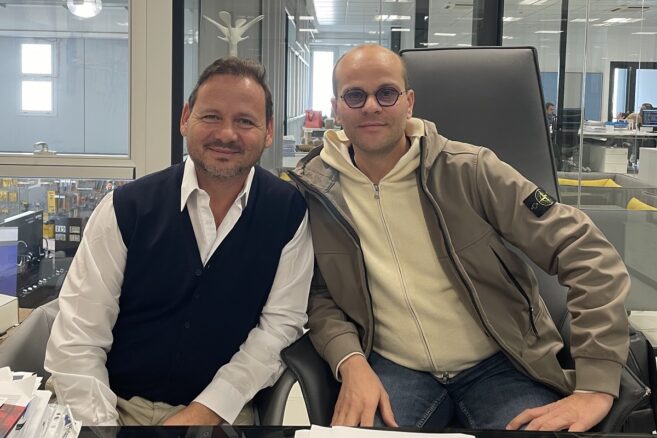
We interviewed Ciro D’Ambra, CEO of Gruppo Hidros—a leading player in plumbing and heating distribution across Central and Southern Italy—to analyze current market challenges, the brand’s diversification strategy, and its recent entry into the B2C channel with the ‘Handy Fai Da Te‘ brand (followed by an interview with Luca Tozzi, the brand’s General Manager).
Buyer Point: Gruppo Hidros boasts a history of over fifty years. What are your current organizational structure and geographic footprint?
Ciro D’Ambra: The business was founded by my father over 50 years ago. Our area of expertise covers the entirety of Central and Southern Italy, with a presence extending from Rome downwards, excluding Sardinia. Our commercial structure is significant, relying on a network of approximately 40 agents, supported by a sales manager and two area managers.
Buyer Point: You have embarked on a path of intensifying your private label operations, reaching the point of managing several proprietary brands. What strategic motivations guided this choice, and why did you opt for a multi-brand approach?
Ciro D’Ambra: The growth of our private labels over the last two to three years addresses a primary need: recovering profit margins, which have been progressively squeezed by primary brand suppliers. This strategy has allowed us to enhance our product range and cover market niches that were previously inaccessible, all while maintaining steady turnover levels with our long-standing suppliers.
Our decision to go with a multi-brand approach was driven by a matter of perceived value. Private labels are often seen as entry-level alternatives; however, a dedicated brand—even if it is an imported line—benefits from higher recognition and appreciation. This is proven by the excellent feedback we are receiving in specific categories, particularly in bathroom furnishings.
Buyer Point: What is your B2B customer profile, and what are the main challenges you face, particularly within the context of Central and Southern Italy?
Ciro D’Ambra: Our clientele consists primarily of plumbing and heating wholesalers, but also includes hardware stores and building material retailers. The main challenge lies in fragmented purchasing patterns and an excessive focus on price. The average retailer who lacks direct access to the manufacturer tends to ‘shop around’ among various distributors to secure the best possible price on individual items.
The rise of B2B portals has intensified this trend, turning the market into a competitive ‘jungle’ where price often takes precedence over service and quality. It is up to our strategic planning to ensure customers choose us, based on an extensive, high-quality, and yet competitive product range.

Buyer Point: Following the market shocks of recent years (COVID-19, tax bonuses), we are seeing a period of stabilization, if not a direct slowdown. How do you interpret the current phase, and what are the most critical obstacles?
Ciro D’Ambra: In my view, the current market stagnation is driven by a climate of political and regulatory uncertainty, both at the national and European levels, which makes doing business extremely complex. The most critical factor for a distributor like us is the inability to engage in medium-to-long-term planning. The extreme volatility of import costs—for instance, container shipping rates can fluctuate suddenly—undermines any strategic planning and fuels price disparities among operators. Added to this is the distorting pressure generated by e-commerce players that emerge and disappear quickly, basing their model on minimal margins and contributing to the constant erosion of price lists.
Buyer Point: In recent years, you launched the B2C brand Handy Fai Da Te, which recently opened its second store, also in the Campania region. How does this new venture integrate with your established experience in the B2B sector?
Ciro D’Ambra: From a management perspective, the logics governing B2B and B2C are not radically different. 90% of business strategies remain unchanged: organization, economics, budgeting, and resource management are universal principles. What changes is the sales channel and the relative operational levers (promotions, flyers, product display).
The foundation of this strategic expansion is our solid organizational starting point. If a company is not properly structured, any attempt at diversification—whether into DIY, e-commerce, or another segment—would be an arduous process. The ability to apply rigorous economic and management principles is the true ‘hard core’ that allows us to successfully navigate different markets.
HANDY FAI DA TE – INTERVIEW WITH LUCA TOZZI, GENERAL MANAGER
Buyer Point: Who is Handy Fai da te?
Luca Tozzi: Handy Fai da Te was born as a natural response to the need to share expertise and make practical DIY solutions accessible to everyone, reflecting the shared passion for craftsmanship within our company.
Our vision is clear: we aim to be a familiar point of reference for our customers, providing a unique shopping experience every time.
Buyer Point: The first Marcianise store was born in 2019: what was the strategic vision behind this new format?
Luca Tozzi: The Handy Fai da Te format was conceived as a proximity store with a medium-sized retail footprint.
Our first location opened in Marcianise (CE) in 2019, spanning a total area of 20,000 square meters, with 5,000 square meters dedicated to sales.
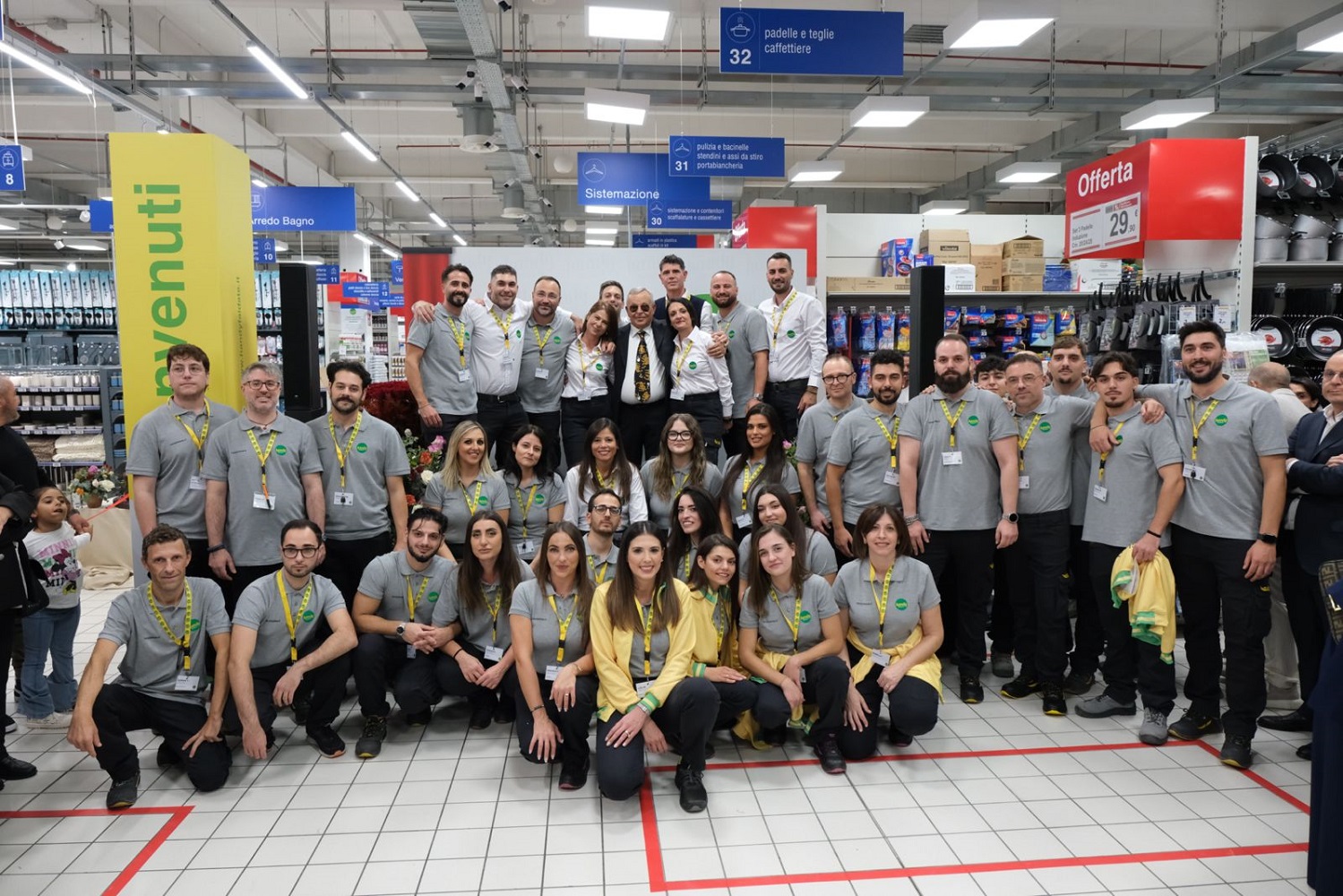
The success of this operation is built on a team of 50 young professionals. Through intensive training, empowerment, and a strong collaborative spirit, they now form the true backbone of the company and the engine of its daily operations.
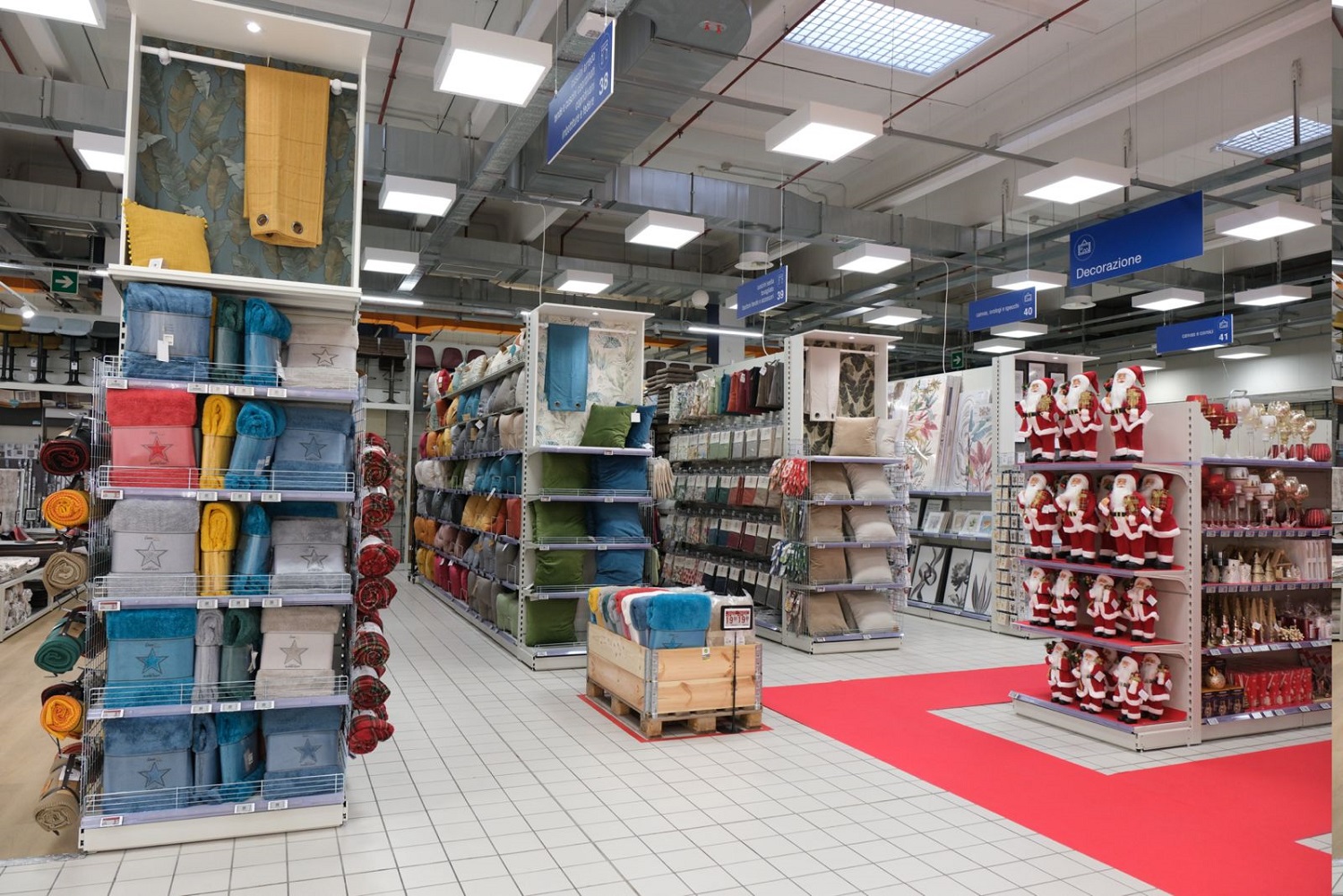
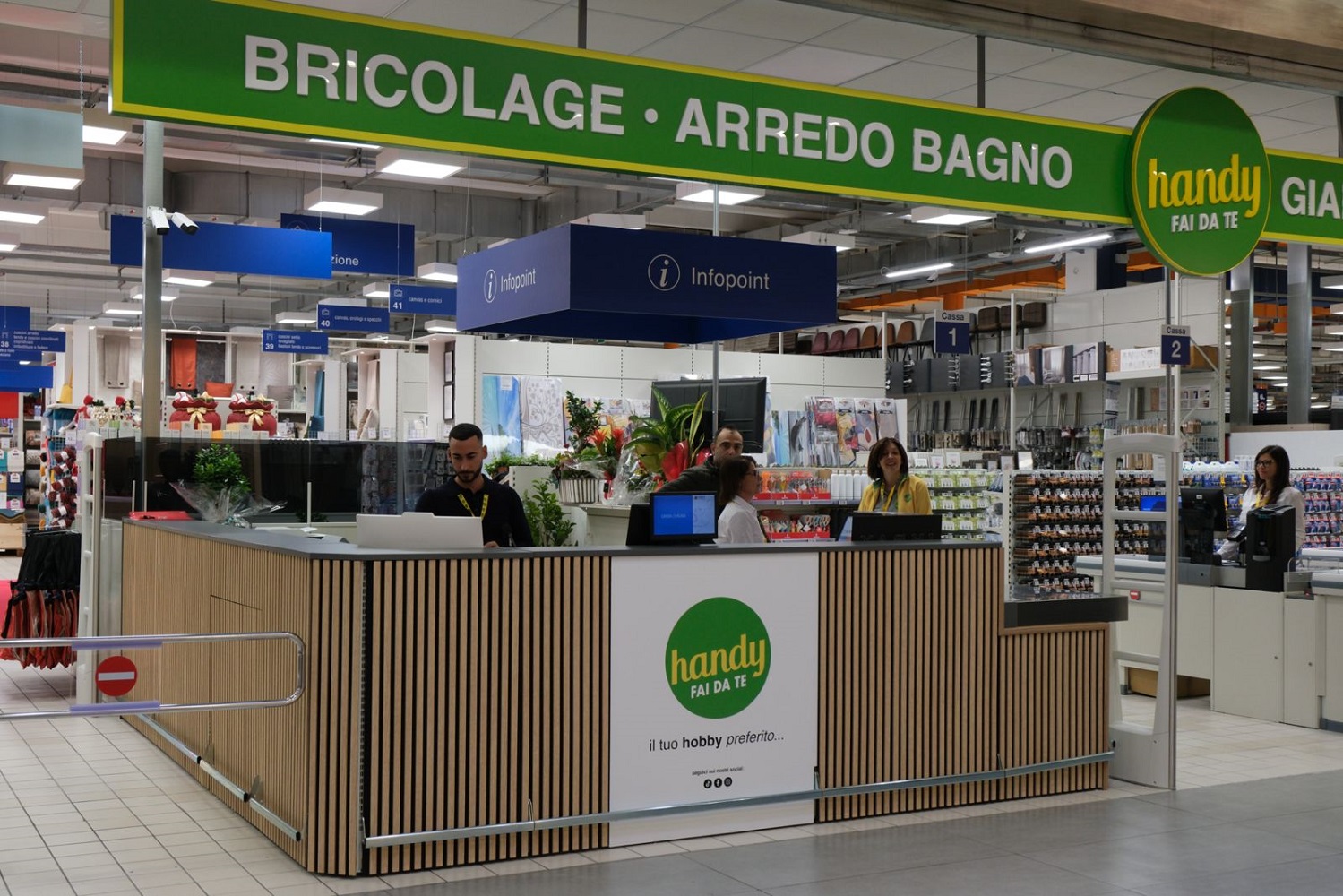
Our store features four thematic areas designed as ‘immersive worlds’: Decoration, Furnishing, Professional, and Garden.
We place a strong emphasis on seasonality—from Garden Furniture to Christmas—to provide our customers with inspiration and concrete solutions. These four sectors are designed as ‘autonomous thematic worlds’ where customers can easily find their way, explore the range, and receive expert advice.
We enhance the experience with value-added services such as wood cutting, paint mixing, custom-made curtains, key duplication, and garden design—elements aimed at building customer loyalty and representing a distinctive competitive advantage.
Buyer Point: Just a few weeks ago, you inaugurated your second store…
Luca Tozzi: Exactly. For our second 3,400-square-meter store, we chose Quarto, a municipality in the Naples metropolitan area.
The new facility serves a primary catchment area of approximately 300,000 residents across high-density municipalities. Our decision to locate within a shopping center was strategic: this setting ensures a steady and diverse flow of visitors, allows us to benefit from synergies with other businesses, and offers customers a complete shopping experience with ample parking, accessibility, and additional amenities.
Buyer Point: Does your expansion plan include any new openings in the near future?
Luca Tozzi: Our development plan is already in place, and two new openings are scheduled for the short-to-medium term. I can’t share more at the moment, but we have already laid the groundwork for a regional expansion plan that makes us both proud and excited.