
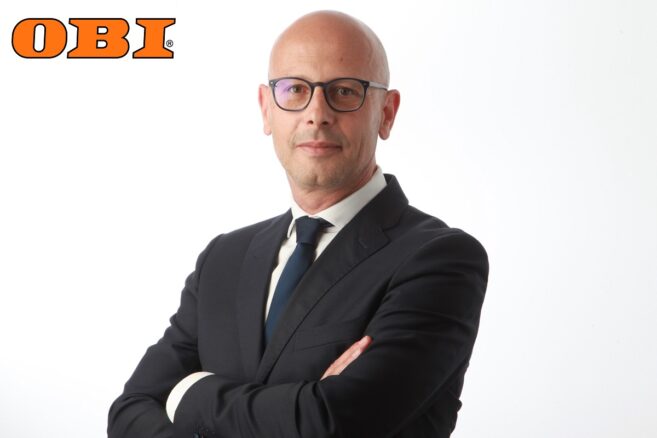
OBI Italia’s market outlook: interview with CEO Gabriele Gennai
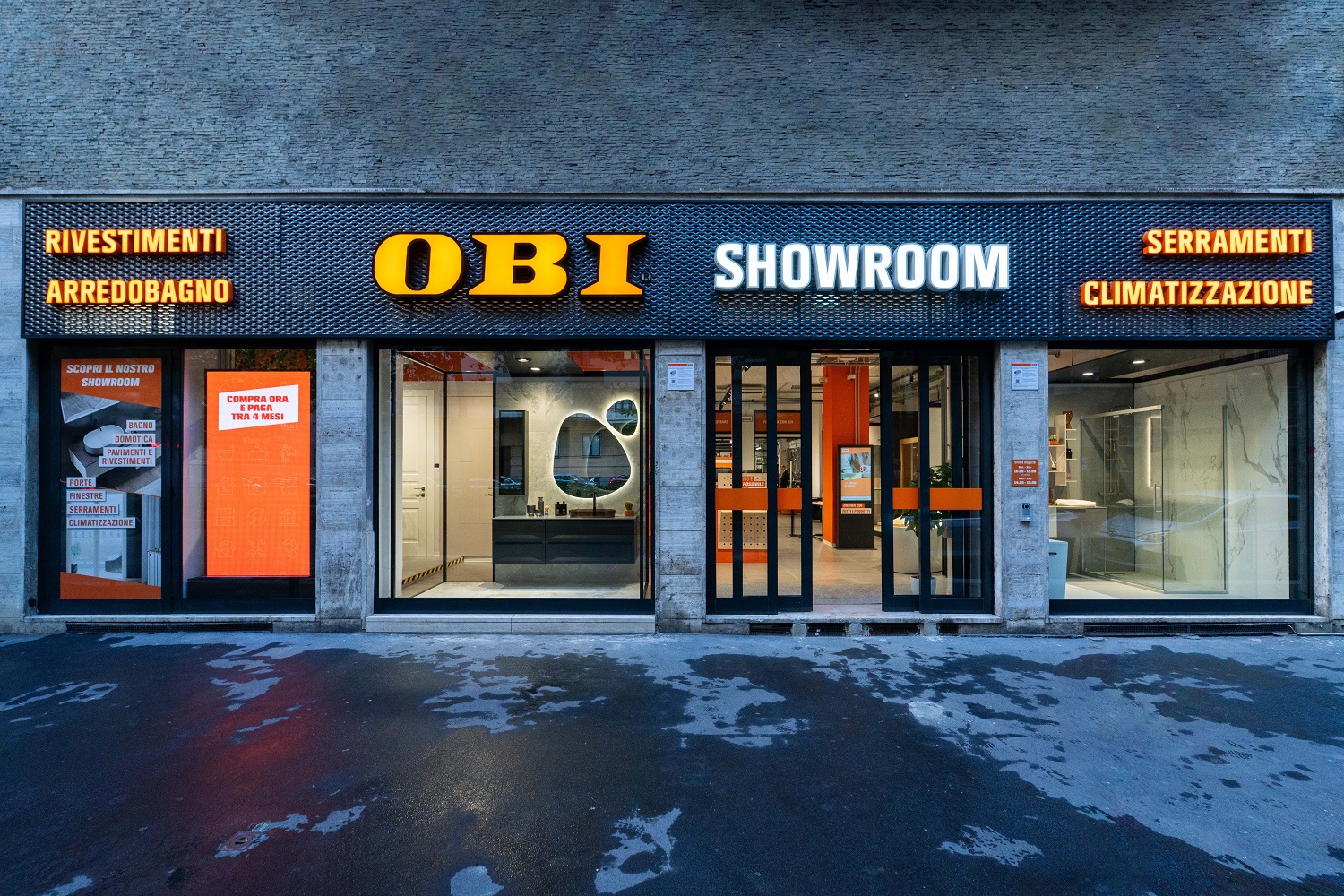
Last October, we attended the opening of OBI‘s first international Showroom, inaugurated in the heart of Milan. On this occasion, we spoke with Gabriele Gennai, CEO of OBI Italia. This represents a significant project for the brand, which is currently driving its growth strategy in Italy with a strong focus on its new franchising model.
Buyer Point: Let’s start with the latest news from OBI, which is the new Showroom in Milan largely dedicated to the bathroom segment: could it pave the way for other similar showrooms in different product sectors?
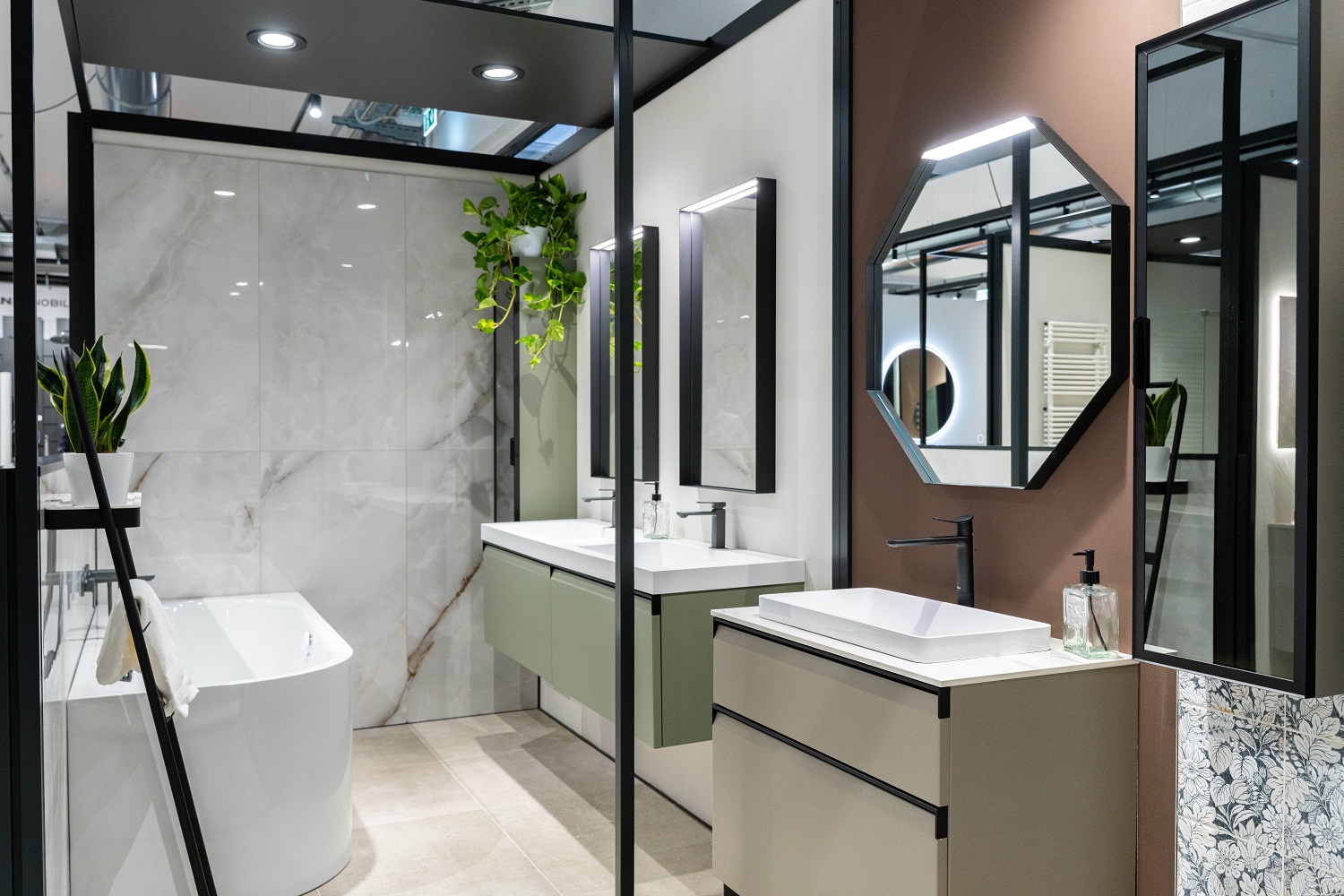
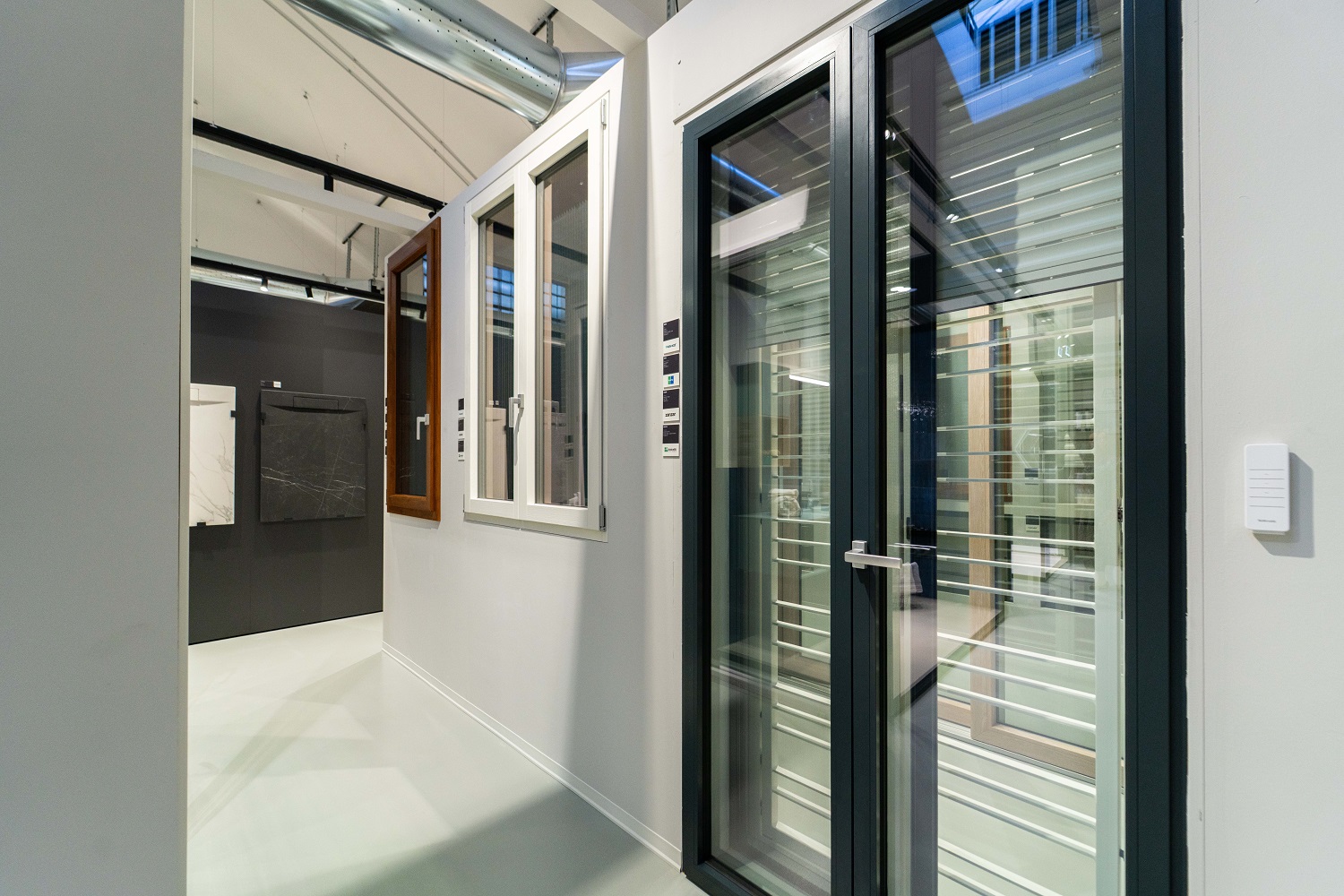
Gabriele Gennai: The Milan Showroom represents an important step in our growth and evolution strategy, and not just at the Italian level. It is, in fact, our first format of this type internationally, and it is part of a broader strategy that involves the creation of scalable models and experiential formats capable of redefining the very concept of proximity and relationship with the customer. This format arose from a concrete need: to offer a place where people can feel accompanied, inspired, and supported in the realization of their projects. The Showroom is not just an exhibition space, but a consultancy environment where the customer – whether private or a professional – can dialogue with qualified staff, explore tailor-made solutions, and visualize their project in real-time thanks to 3D design using VRAY technology. The focus on the bathroom segment, which occupies about 60% of the surface area, is strategic: this is a sector with a high project intensity, where consultancy and service quality make the difference. However, the format is designed to be scalable and adaptable to other product sectors. The opening of a second showroom is planned for 2026, also in Milan, in the South area, confirming the intention to consolidate this model. Simultaneously, we are introducing a further, leaner format, under 2,500 square meters, which varies according to the location and is designed for more urban areas, while in cities, for example, surfaces of 1,500 square meters with higher service levels are planned. This allows us to be even closer to customers and accelerate the brand’s development. The Showroom is also a ‘gate’ to the OBI universe: a privileged access point to the 250,000 products available online, but above all, a place where value is built through relationships. It is becoming the symbol of a new expression of the evolving brand—one that listens and puts itself at the service of people, with the ambition of becoming a project and relationship reference in the DIY world.
Buyer Point: Franchising: If we look at the numbers of directly-owned OBI stores versus those in franchising, it is evident that there is still a very high potential to be developed: can we have some more details on the project?
Gabriele Gennai: OBI boasts a solid and long-standing experience in franchising: we have been active in this sector since the 1970s and, to date, out of the 644 OBI stores present across Europe, 134 operate through 49 franchising partners in three countries (DEU, AUT, ITA). To date, our presence in Italy consists of 56 stores, 4 of which have been operating under a franchising agreement since 1994, demonstrating how effective and efficient the franchising model is for our partners. Our approach to franchising is based on the principle of a synergistic and mutually beneficial partnership. OBI partners maintain their entrepreneurial autonomy, enjoying the freedom to make economic decisions in line with their own strategies and knowledge of the local market. In parallel, they become part of a consolidated and successful entity, benefiting from the strength of an internationally recognized brand, an efficient organizational structure, and a constant drive for innovation. This synergy generates added value not only for the clientele, which can count on a complete offering and quality service, but also for the affiliated partners, who see their growth opportunities consolidated, contributing to economic development and local employment. To address the specific characteristics of the Italian market, we have developed a flexible and modular franchising model, which offers different types of store formats, thus ensuring even greater territorial coverage and the ability to reach new customer segments. In general, however, we pay particular attention to the development of our franchising partnership model in Italy, because we firmly believe in the potential of this formula to accelerate our growth and to offer motivated entrepreneurs the opportunity to join the OBI family, benefiting from the strength of our brand and our consolidated expertise.
Buyer Point: The year 2025 is drawing to a close: can we make an assessment, even if preliminary, of OBI’s performance this year?
Gabriele Gennai: Last year we recorded very solid results globally, with 8.2 billion in revenue, and this year we have continued to grow and strengthen in our key markets, including Italy. Beyond the milestones achieved so far, which see us grow by +8 points compared to the market trend measured by GfK, we remain focused on the last part of the year, which is always particularly important for the sector, and on the medium-term objective we have set for ourselves, which is to become the leading destination in Europe for the Home & Garden segment.
Buyer Point: Which product categories have grown the most this year, and from which ones do you anticipate the best performance in the future?
Gabriele Gennai: Considering the overall positive trend of the homogeneous network, we are recording growth in all the product categories of our offering. Those related to projects (such as flooring, fixtures, installation materials, air conditioning, and bathrooms) are particularly in evidence. In the latter categories, thanks to the “Posa Pro” project, which offers a complete service from design to installation, we are doubling the growth compared to the average for the brand. The garden sector is also very positive in its various product categories.
Buyer Point: The typical customer in your stores is, of course, the hobbyist. However, professionals remain a target of extreme importance and, I imagine, of interest: how can you reach them ever more effectively?
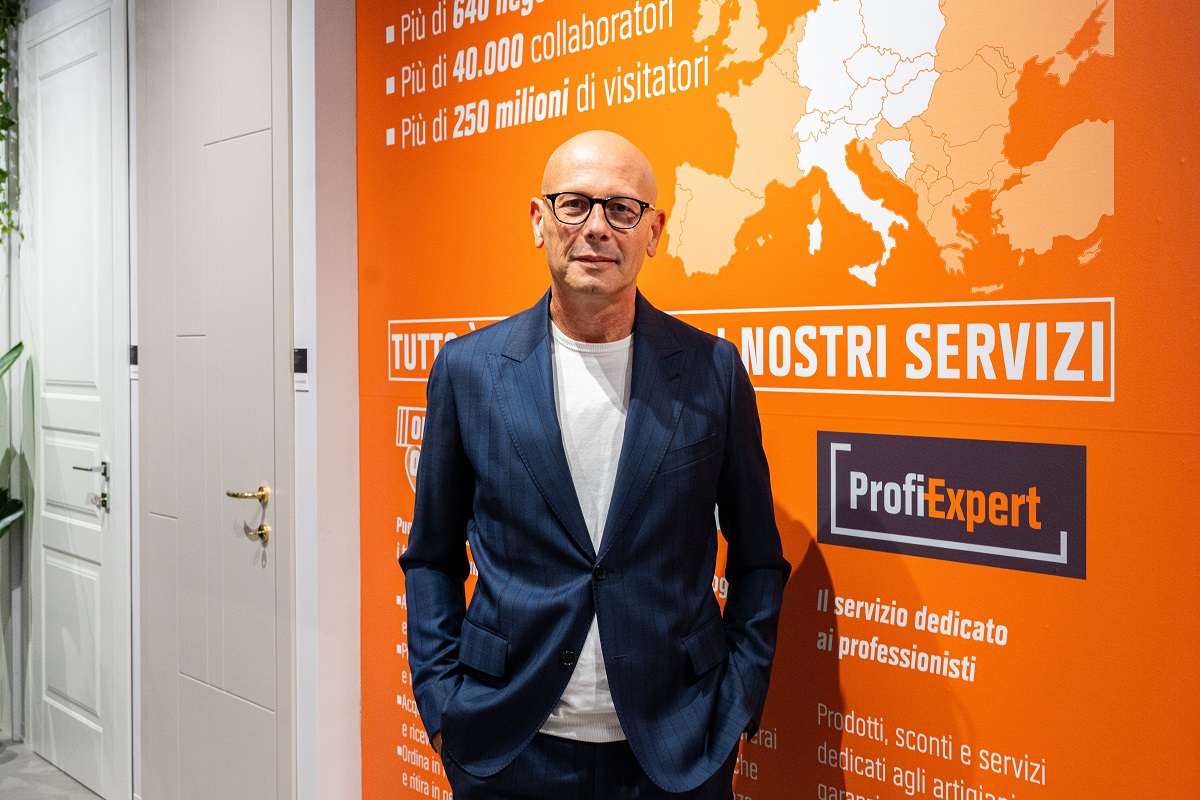
Gabriele Gennai: Across our 56 stores in Italy, we aim to offer an accessible, qualified, and needs-oriented shopping experience to over 14 million customers. This audience is broad and diverse: it includes both DIY and gardening enthusiasts and those who are approaching these fields for the first time, but also professionals looking for reliable, timely, and tailor-made solutions. Our strategy is structured around two main customer categories: the ‘Do-it-Yourself’ (DIY) segment, which prefers to execute projects independently, and the ‘Do-it-for-Me’ (DIFM) segment, which relies on professionals for their execution. Moving on, we couldn’t overlook the professional target. We have focused our recent developments specifically on this segment, culminating in the launch of the ‘Profi Expert’ service model and product offering in July 2025. This service was initially introduced in the first 3 stores in Novara, Sesto Fiorentino, and Prato, and the extension is planned for 2026 in a further selected panel of stores. ‘Profi Expert’ allows us to respond effectively, in terms of timing and methods, to the needs of professional customers. This target, in fact, does not only look for the price, but requires a complete ecosystem of services and assistance that simplifies the entire purchasing process. This integrated approach allows us to offer not only products, but also expertise, reliability, and service. Finally, we cannot ignore the sociocultural evolution of our audience: women, Millennials, and Gen Z are redefining the profile of the DIY customer, bringing with them new sensibilities—from sustainability to smart design—and new ways of interaction, especially digital ones. And OBI is ready to respond to this transformation.
Buyer Point: In the DIY and hardware sector, which frequently sees ‘waves’ (like the COVID era or the incentive periods) that provide sudden, strong market pushes, how do you ensure competitiveness during periods of ‘calm’?
Gabriele Gennai: Our sector, as you rightly noted, is characterized by cyclicality and external dynamics that can cause sudden peaks in demand. The real challenge for a player like OBI is therefore to maintain competitiveness at all times, and to overcome this challenge, we act on multiple fronts. First and foremost, our pricing strategy aims to create a virtuous balance between quality, affordability, and the breadth of our offering: the goal is not just to be cheap, but to be relevant to every customer, all year round. Another key element is the collaboration with a selected network of suppliers, both international and local. This allows us to ensure a vast assortment, constant availability, and competitive costs. Our offering mix is designed to intercept various needs, including well-known brands, high-quality private labels, seasonal products, and professional solutions. This ecosystem is designed for heterogeneous targets, with different budgets and expectations. It is also essential to build and strengthen a trust relationship with customers. This is achieved daily through increasingly trained, knowledgeable, and motivated store personnel. Finally, a distinguishing element is our strong commitment to sustainability. We are strengthening partnerships with suppliers that adopt ESG criteria, expanding the range of sustainable products, and promoting more conscious consumption.
THE GARDEN IS NOT A SEASONAL MARKET
Buyer Point: According to Gfk data, in the first half of 2025, the garden sector grew by +7% in Italian DIY centers. What was the trend for Obi stores? Are there sectors growing more than others?
Gabriele Gennai: The garden sector in Obi stores showed a positive trend, but what emerges more strongly is the change in how people relate to gardening. It is no longer just about seasonal peaks, but a more continuous and conscious demand that also extends into the autumn and winter months. Some sectors are growing more than others, but the real driver is the cultural evolution. Customers are increasingly attentive to sustainability, the quality of materials, and the possibility of enjoying outdoor spaces all year round. There is growing interest in practical and durable solutions, resistant furniture, and rustic plants capable of coping with extreme climatic conditions. Obi responded to this change with a more flexible and consistent offering, capable of adapting to new needs and guiding customers towards a way of experiencing the garden that is no longer tied to the season, but to daily life. In this scenario, the ability to anticipate needs and propose concrete solutions becomes central to continued growth.
Buyer Point: In Germany, there are the “Obi Gartenparadise”, which are located next to the DIY centers, and there are also independent locations. Do you have plans to open “independent” garden centers in Italy as well?
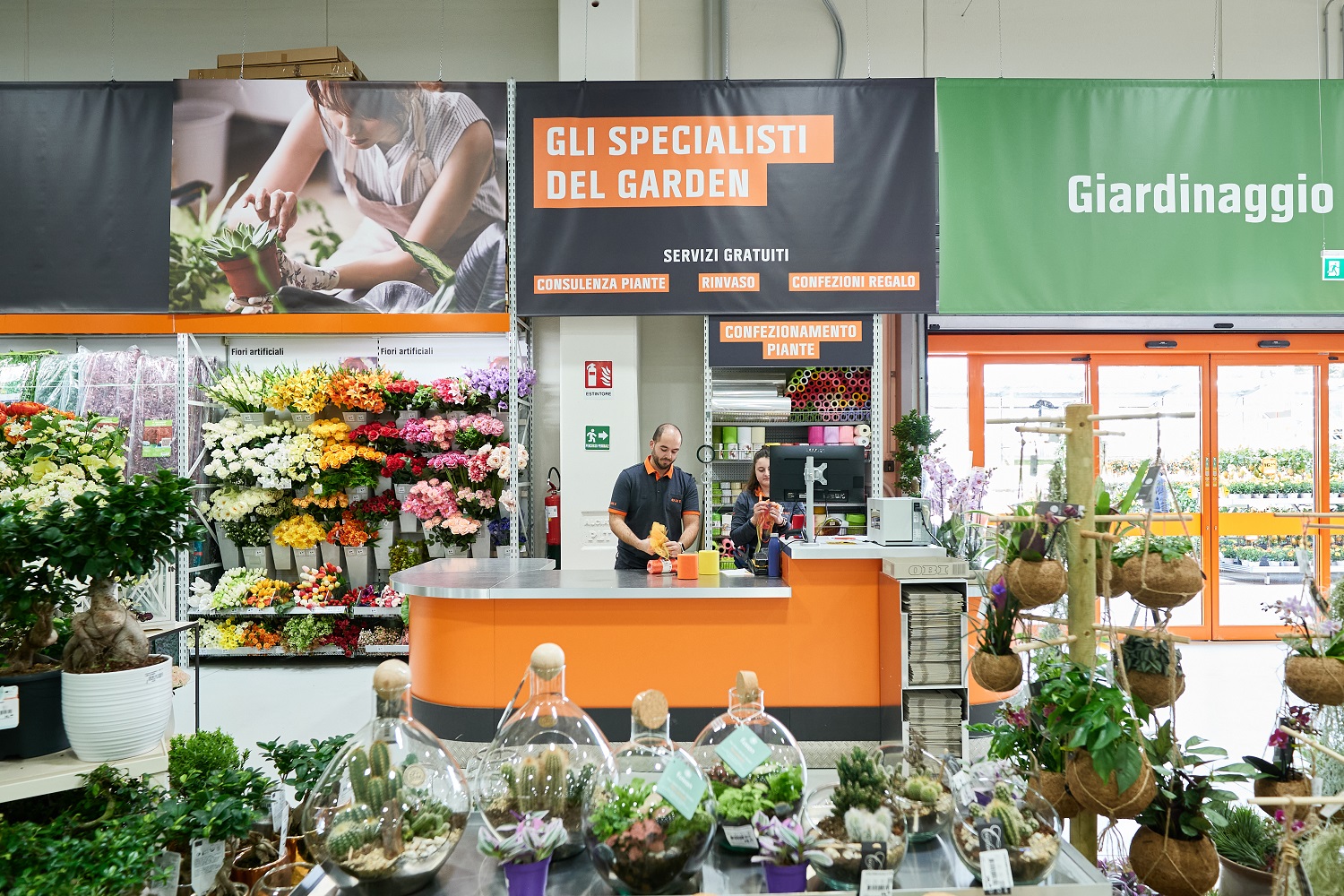
Gabriele Gennai: The Gartenparadies is an integral part of the Obi model, representing a distinctive element of our offering at the European level. It is never conceived as an entity separate from our classic proposal in the DIY sector. Consequently, as in other markets and in relation to the format and size of the store, we have already set up large spaces dedicated to gardening in Italy as well, including the presence of glass greenhouses (both warm and cold). These structures are essential for the proper management of indoor and outdoor plants and for the storage of decorative and construction materials for the garden.